City of Hope: Recharge Your New Year’s Resolution

From The City of Hope Atlanta
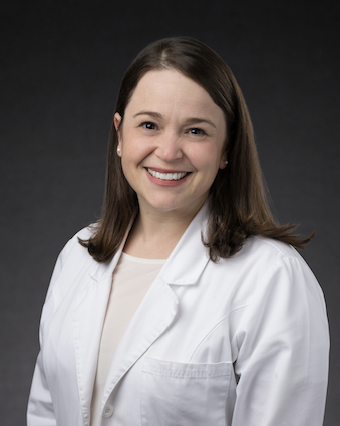
Dr. Amanda Hutchinson
If you are like most people, chances are you made resolutions or set goals to achieve in the new year. Surveys show that more than half of Americans make New Year’s resolutions. And, if you are like most people, chances are you have already strayed from your new lifestyle changes or scrapped your resolutions all together.
If you are less than resolute about keeping your resolutions and are looking for extra motivation to stick to them or jumpstart your commitment, consider this: Many of the most common New Year’s resolutions may help reduce your risk of cancer. While often rooted in a desire to look and feel better, most of these health- based resolutions are also excellent options for reducing your risk for cancer.
“Things like being overweight, not exercising or smoking don’t immediately mean someone will get cancer,” said Dr. Amanda Hutchinson, family medicine physician at City of Hope Cancer Center Atlanta. “But they do increase your risk, and that risk level is impacted by how much these habits affect your lifestyle.” Some aspects of daily life may be outside of your control — environment, genetics and so on — but taking charge of the areas you can change by committing to simple resolutions this year can make an impact on reducing your cancer risk.
Exercise More
A healthy, strong body is about more than lifting heavier weights or wearing a smaller size. According to the International Agency for Research on Cancer, excess body weight and/or obesity are linked to a higher risk of developing 13 different types of cancer. A study from the National Institutes of Health also indicated increased risk linked to physical inactivity and sedentary behaviors. On the other hand, adults who are physically active and mitigate excess body weight reduced their risk for multiple cancer types, including bladder, breast, colon, endometrium, esophagus, kidney, lung and stomach.
 “Adults should aim for a minimum of 150 minutes of moderate activity and 75 minutes of vigorous activity every week,” said Dr. Hutchinson. “It’s important to move your body — put down the phone, leave your desk, get out of bed. Try to achieve some daily physical activity so you’re not spending as much time sitting or lying down.”
Eat Healthier
It’s not just about exercise — you have to eat well, too! No specific foods have been shown to directly cause or cure cancer. However, certain diets may lead to developing conditions that increase risk for cancer, such as obesity, diabetes or high cholesterol, to name a few; and, vice versa, certain diets will lower that risk.
According to the American Cancer Society (ACS), diets high in “added sugars, meats and fats” are most often linked to excess body fat that can increase risk.
“There’s a reason we recommend diets with lots colorful, leafy fruits and vegetables, and whole grains,” said Nathan Schober, dietitian with City of Hope Atlanta. “These foods are packed with vitamins, minerals, fiber and antioxidants that lay the foundation for a healthy diet. You can’t control your genetics or changes in your metabolism as you age, but you can usually control what you put into your body every day.”
Quit Smoking
Nicotine found in tobacco can and often does lead to developing lung cancer: 9 out of 10 cases of lung cancer are attributed to smoking tobacco products. But it doesn’t end there. Smoking tobacco products can cause cancer almost anywhere in your body, such as the bladder, blood, cervix, colon, rectum, stomach, voice box (larynx) and more.
As an addictive substance, nicotine can be challenging to eliminate from your daily life. But it is possible, and it happens every day — nearly two-thirds of adults who have smoked have been able to quit. If you struggle to quit smoking alone, try utilizing counseling resources or support groups in your area. Visit the ACS website for more resources.
Reduce Alcohol Consumption
Whether it’s wine, beer or liquor, the more alcohol someone consumes, the more their risk for developing cancer increases, according to multiple studies cited by the ACS. But even one drink a day can be enough to develop conditions such as liver disease, heart disease, high blood pressure, strokes, digestive issues and, yes, cancer. “Your body breaks down alcohol into a chemical that damages your DNA,” said Schober. “DNA is your body’s ‘how-to’ guide for cell growth, and when it’s damaged, your cells may grow abnormally and become cancer.”
Drinking less alcohol or choosing to quit drinking it altogether may lower your risk for developing cancer. If you are struggling with alcohol use disorder and need assistance, reach out to your physician or contact the Substance Abuse and Mental Health Services Administration.
See the Doctor Regularly
Regular visits with your primary care provider (PCP) are crucial steps to monitor your health and watch for changes that are easy to overlook. Your PCP can administer or advise on cancer screenings based on your age, family history and lifestyle risks; discuss abnormal symptoms or changes in your body; provide education and resources to help form healthy habits (or quit the less desirable ones); and so much more.
“A wellness visit — also known as an annual physical — is all about risk analysis, prevention and screening,” said Dr. Hutchinson. “We want to help optimize your health for whatever stage of life you are in, but more importantly, we want to catch abnormalities in the earliest possible stages before they become a major problem.” Wellness visits are recommended on at least an annual basis. The earlier your PCP can detect abnormalities and recommend treatment, the higher the chances of curing or reversing a problem so you can live a longer, healthier life.
This year, take charge of your health and make changes that reduce your risk for chronic or life threatening diseases like cancer. If you have any concerns or questions about your risk for cancer, speak with your preferred physician as soon as possible. Have a safe, happy and healthy new year.
To schedule a cancer screening or discuss suspicion or treatment of cancer, contact City of Hope Cancer Center Atlanta at cityofhope.org/atlanta or 855-939-HOPE.