From Myths to Facts: Dr. Kevin Woods on Colon Cancer Prevention
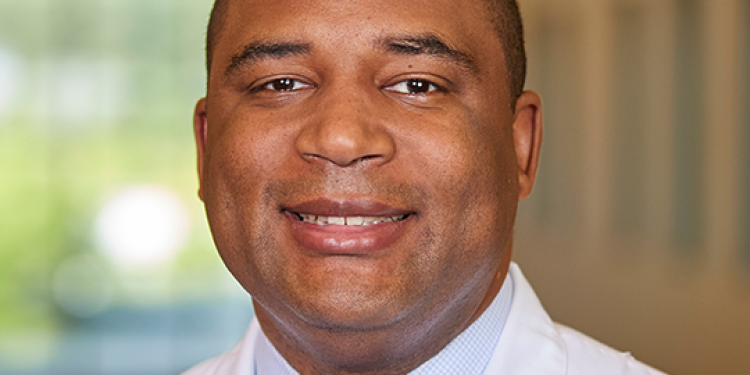
Pictured above is Dr. Kevin Woods, City of Hope Atlanta.
From City of Hope Press Release
March is Colon Cancer Awareness Month—a perfect time to prioritize your health and debunk myths about colorectal cancer.
As the third-most common cancer among men and women in the United States, early detection through screening is key to improving survival rates and outcomes.
Myth: Preventing Colorectal Cancer Isn’t Possible
When detected early and treated appropriately, colorectal cancer has an approximately 90 percent five-year survival rate. Several factors may contribute to the development of colorectal cancer, and some are beyond our control. But others we can change, including:
• Poor eating habits
• Lack of exercise or obesity
• History of, or current, tobacco use
Empowering yourself with this kind of information may help you and your doctor develop a plan to reduce your risk of getting colorectal cancer.
Myth: Screening Is Only Necessary with Symptoms
While colorectal cancer symptoms are strong indicators that a checkup is needed, screening may find precancerous colon polyps that may be removed before becoming cancerous or causing symptoms.
Talk to your physician if you are experiencing any of these symptoms:
• Rectal bleeding, either bright or dark red in color
• Narrow stools or change in stool size
• Tenesmus, or the feeling that you have to empty your bowel but nothing passes
• Anemia caused by iron deficiency
• Persistent abdominal pain
• Unexplained weight loss
Why Choose a Colonoscopy?
A colonoscopy may sometimes intimidate patients, but the American Society for Gastrointestinal Endoscopy considers it the gold standard of colorectal cancer screening methods for its ability to view the entire colon and both detect and remove polyps in the same procedure. Its ability to remove polyps before they turn into cancer differentiates colonoscopies from other screening methods as the only test that may help prevent colorectal cancer.
Other less-invasive methods for identifying abnormalities include stool DNA tests and visual exams that use X-ray imaging. While these procedures are adequate screening options for many people, they must be performed more frequently and may miss polyps that would otherwise be identified during a colonoscopy. For this reason, my colleagues and I strongly encourage patients to speak with their physicians about screening options and prioritize colonoscopies, particularly if they have risk factors such as family history of colorectal cancer.
Who Should Get Screened?
The U.S. Preventive Services Task Force recommends regular screenings starting at age 45 for most people. If you’re at higher risk due to obesity, family history, or being part of an underserved group, you may need to start earlier.
City of Hope is here to help you stay on top of your health. Don’t let myths or misconceptions stand in the way of prevention. Schedule your screening today and take the first step toward a healthier future.
To schedule a screening, call 770-400-6677. For more information, visit cityofhope.org/Atlanta. The City of Hope Atlanta is located at 600 Celebrate Life Parkway in Newnan.