Deal Finder: Prepare Your Car for Summer Travel
By LaTINA EMERSON, Special to The Coweta Shopper
 If you’re planning to hit the road for summer travel or it’s been a while since you’ve performed routine maintenance on your vehicle, it’s important to complete vehicle safety checks to avoid breakdowns and costly future repairs. Here are some tips from AAA on how to get your vehicle ready for the road this summer:
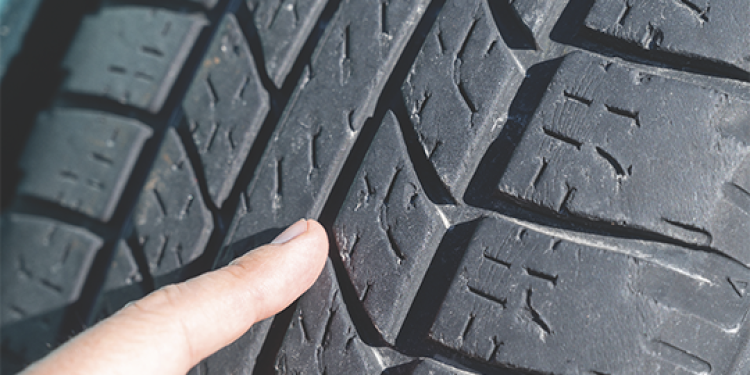
Check tires and tire pressure
Inspect all four tires on your vehicle and the spare tire, if available, for cuts, gouges or sidewall bulges. To check tire thread, insert a quarter upside down into the grooves. It’s time for new tires if you can see the top of George Washington’s head, according to AAA.
Check your vehicle’s tire pressure when it has been idle and the tires are cool. When inflating the tires, follow the vehicle’s recommendations for tire pressure, which can be found in the owner’s manual or on the sticker inside the driver side door jamb.
Get brakes inspected
To check the condition of your brakes, apply the brakes and then listen for grinding sounds and feel for vibrations. If grinding sounds or vibrations are detected, get an auto repair shop to inspect your brakes. They should check the brake system for fluid leaks and the quality of the brake pads, rotors, shoes and drums.
Test battery and connections
Inspect your vehicle’s battery to make sure the cable connections are clean and tight and the hold down hardware is secure. Determine the remaining capacity of the battery by using a battery tester to check the voltage and battery health. This battery check can be completed at an auto parts store, or AAA offers battery testing and replacement as part of their service for members, AAA reports.
Check fluid levels
For safe vehicle operation, make sure the engine oil, coolant and brake, transmission and power steering fluids are at the correct levels. When adding fluids, consult the owner’s manual so you will use recommended products for the automobile. Newer vehicles may have sealed automatic transmissions without a dipstick and electric power steering that may not use fluid, according to AAA.
Inspect belts and hoses
Examine the belts and hoses in the vehicle and replace any that are cracked, glazed, frayed, worn, brittle, bulging or excessively soft. AAA notes that modern materials might not easily show signs of wear, so it’s important to replace drive belts every 60,000 miles. Also, it’s vital to check for leaks around hose clamps of radiator hoses and at the radiator and water pump.
Replace wiper blades and windshield cleaner
If wipers streak or fail to clear the windshield completely, it’s time to replace the wiper blades, which can deteriorate over time. You might also need to refill the windshield washer reservoir with fluid. Then, test the wipers to make sure they’re spraying properly.
Check lights and electrical equipment
For safety, visibility and legal compliance, it’s important to regularly check your vehicle’s turn signals, as well as head, tail and brake lights. Make sure that turn signals are blinking at the correct rate and they’re not staying on. To check head lights, park the car facing a wall or other vertical surface. To check tail and brake lights, back up to a wall or use the rearview mirror. It might be easier to see the lights after sunset.
Test the air conditioner and replace filters
While the air conditioner is running, take a test drive in the vehicle. If there’s a decrease in cooling capacity, consult an auto repair shop for a diagnosis.
Also, have vehicle filters, such as cabin air filters and engine air filters, checked and replaced, if needed.
Build an emergency kit
To be prepared for unexpected situations, it’s important to keep a stocked emergency kit in your vehicle. Suggested items for emergency kits include a flashlight, extra batteries, first-aid supplies, drinking water, non-perishable snacks, car battery booster cables, emergency flares or reflectors, rain poncho, basic tool kit, duct tape, gloves and rags or paper towels.